Demonstration · not a real organization · every farm, brand and number is inventedDemo tour →
2025 · year ended 31 December

Financials

The whole year, the money held for farms shown apart from revenue, and the filings. Every document is a labelled sample: the organization is invented, and so are the figures.

The year

Income $740,000
Foundation grants$318,000
Individual gifts$212,000
Verification fees paid by partner brands$146,000
Workshops, data licences and interest$64,000
Total$740,000
Expenses $712,000
Field verification — verifiers, travel, interviews$318,000
Farm programs and benchmark work$141,000
Publishing and the ledger$86,000
Management and general$109,000
Fundraising$58,000
Total$712,000

Seventy-seven cents of every dollar spent goes to the farms’ programs: verification, the floors and the ledger. Five staff, six contracted verifiers, a board of seven volunteers.

Two rows that are not the same thing

Premiums held for farms, 2025Paid by brands at 8–12¢/lb on 2,400,000 lb, held as funds for others and paid to the farms against verified payroll. Not revenue — the way a fiscal sponsor carries a sponsored project’s money.$240,000
Gifts and grants to Even Harvest, 2025Revenue. Pays for the visits, the floors and the ledger; never paid to a farm as a wage.$530,000

The sample 990 carries the premiums on the balance sheet and in a note, not on line 12, and the audited statements say why in Note 2. The premium arithmetic uses the same figures.
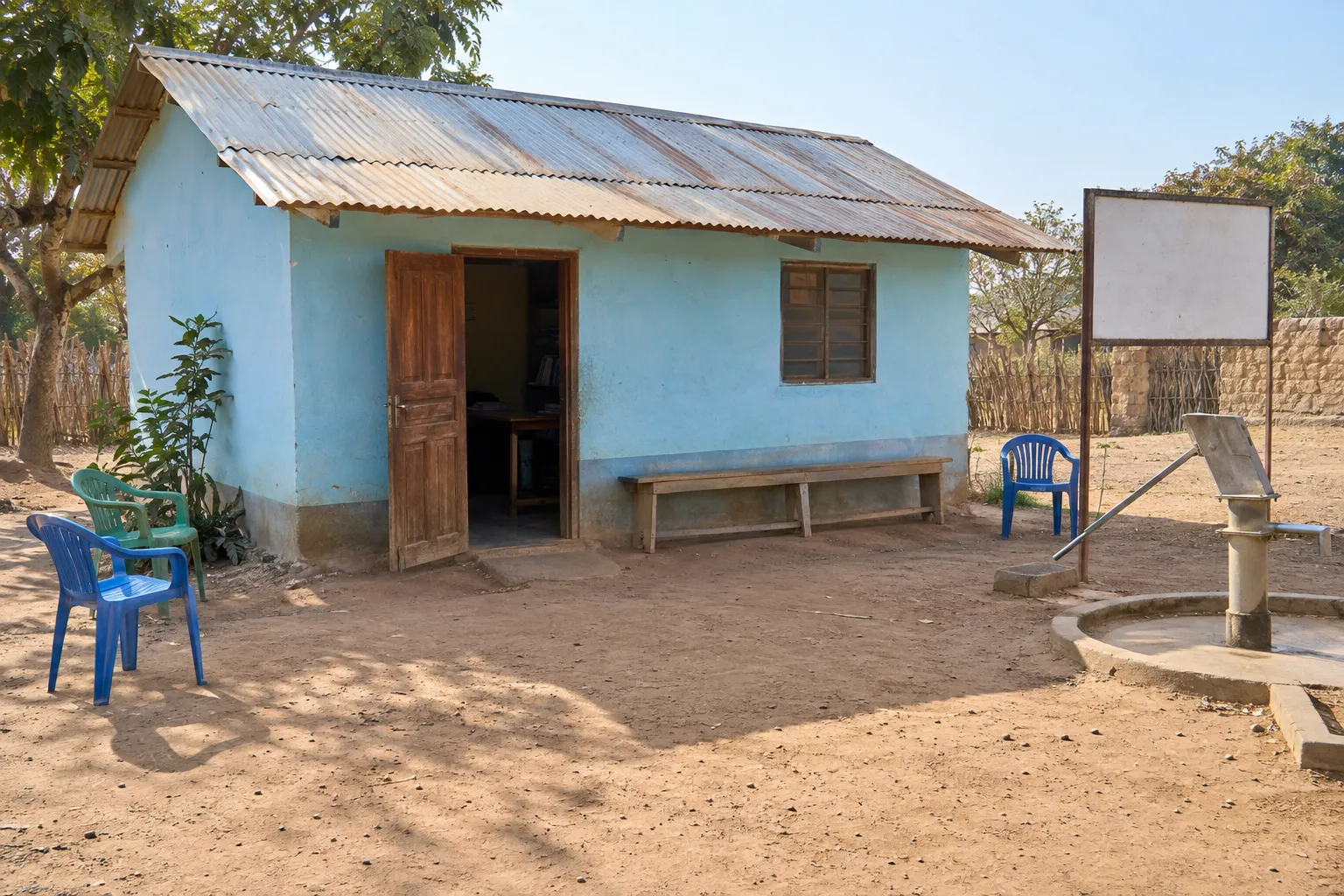
A small tin-roofed cooperative office painted pale blue with its door open, plastic chairs, a bench and a hand pump in the yard
A cooperative office where premiums are paid out against the pay sheets a verifier has read.
The filings

Three 990s, the audit, the letter

Form 990, 2025Filed May 2026. Part I summary, Part IX expenses by function, Part III what the money did, a note on the premiums held for farms. Sample — not a real IRS filing.PDF · 199 KB
Audited statements, 2025Statement of activities and of financial position, with the note that separates premiums held for farms from revenue. Sample — not a real IRS filing.PDF · 168 KB
Form 990, 2024Filed May 2025. Sample — not a real IRS filing.PDF · 199 KB
Form 990, 2023Filed May 2024. Sample — not a real IRS filing.PDF · 199 KB
IRS determination letterWhat the letter states: 501(c)(3), public charity, contributions deductible. Presented as information, not as a copy of a government document. Sample — not a real IRS filing.PDF · 121 KB

The three most recent Form 990s are listed by themselves; older years drop off. Every document is a labelled sample.

How to read them

Form 990, Part I is the one-page summary: what came in, what went out, what is left — and, in the note under it, the premiums that are not on the revenue line. Part IX splits every dollar into program, management and fundraising. Part III is the story in words: the farms, the visits, the gap.

The audit is what brands ask for before they pay a premium through anyone: an outside opinion that the money held for farms is held, counted and paid the way this page says.

The IRS letter is what makes gifts deductible. The sample presents what the letter states in the organization’s own typography, on purpose, so that nobody can mistake a demonstration document for a government one.

Give

One worker-month of gap

$12 closes the gap for one worker for one month, on the average farm still below benchmark ($0.55 a day short, 22 working days). Monthly gifts let the floor rise on schedule.

$36 covers three worker-months of gap.

Give $36 once →

Demonstration: the button opens an email; no card is taken. On a real site this is the organization’s own giving page. Gifts fund verification and the floor; they are never paid to farms as wages.
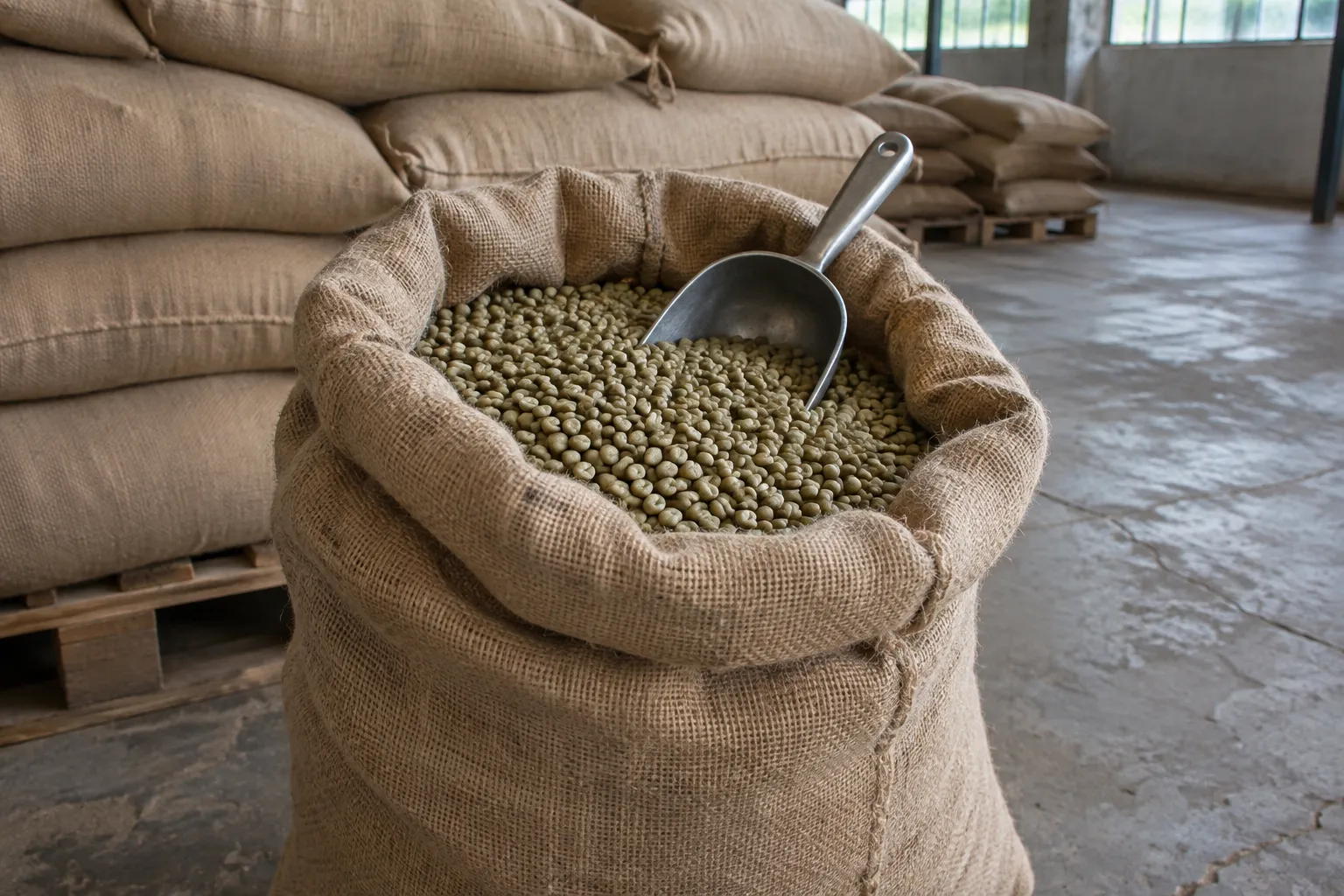
An open burlap sack of pale green unroasted coffee beans with a metal scoop, blank sacks stacked on pallets behind
Green coffee, sacked for a partner brand. The premium follows the sack; the gift pays for the person who checked the pay sheets.