How it works
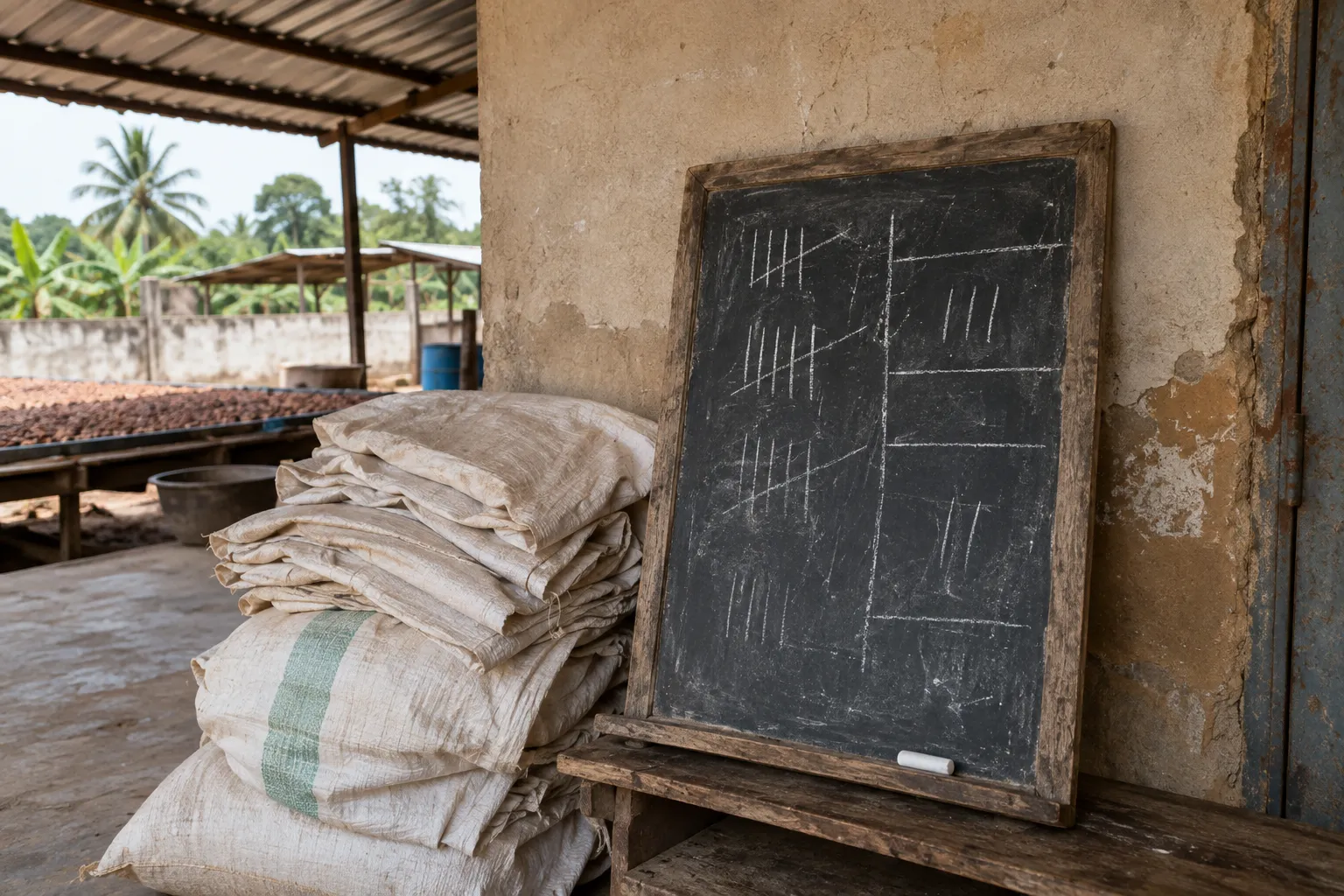
A floor the farm signs, a visit that checks it, a premium that funds it, and a ledger that shows it. Nothing here is a certification mark, and no wage is paid by Even Harvest itself.
The floor
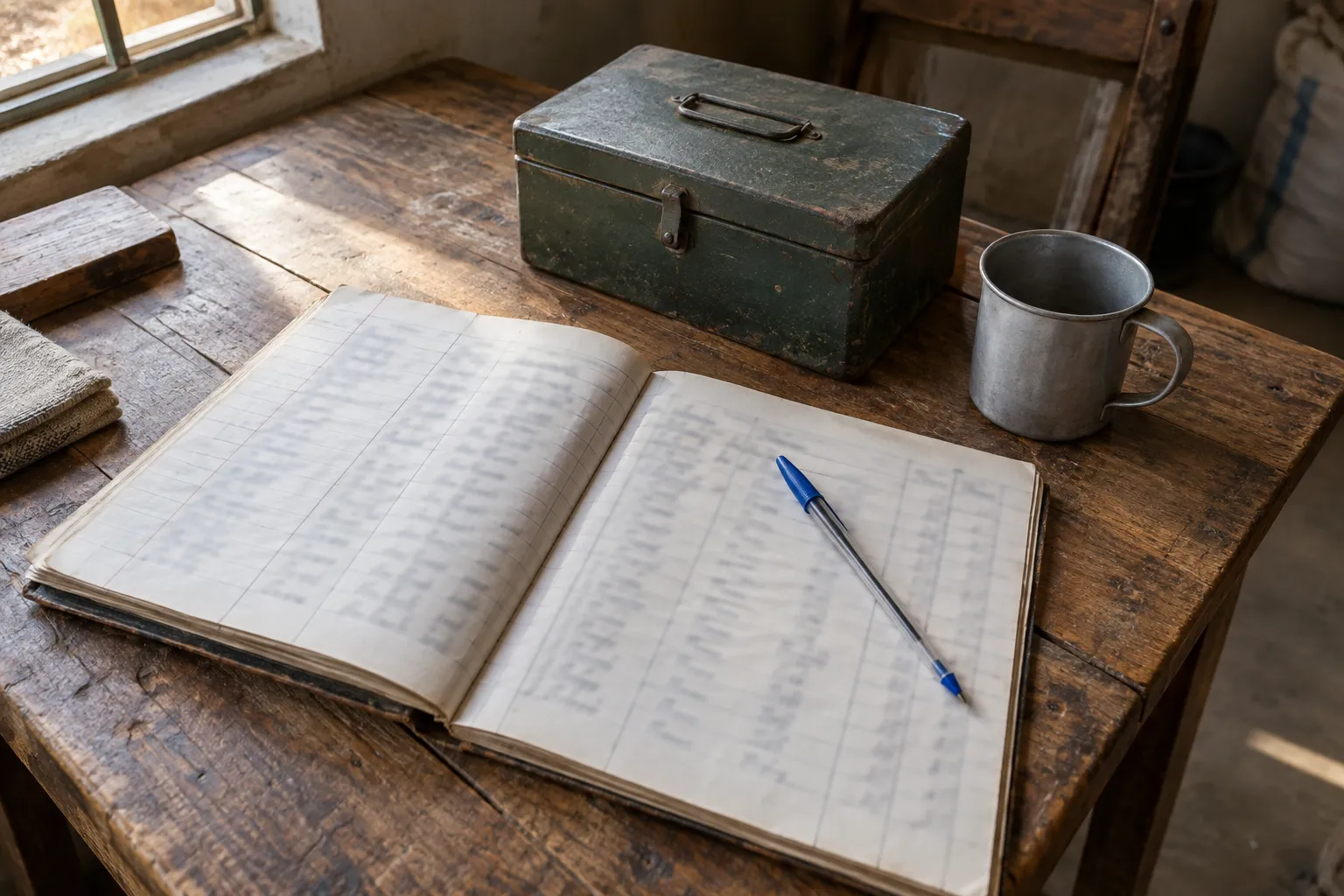
A farm that wants to sell into a partner brand signs a wage floor: the lowest daily rate on its payroll, and the steps by which it rises to the regional benchmark, usually over three to five years. Piece rates are converted to a daily equivalent. The farm keeps its own pay sheets; those are what get read.
The visit
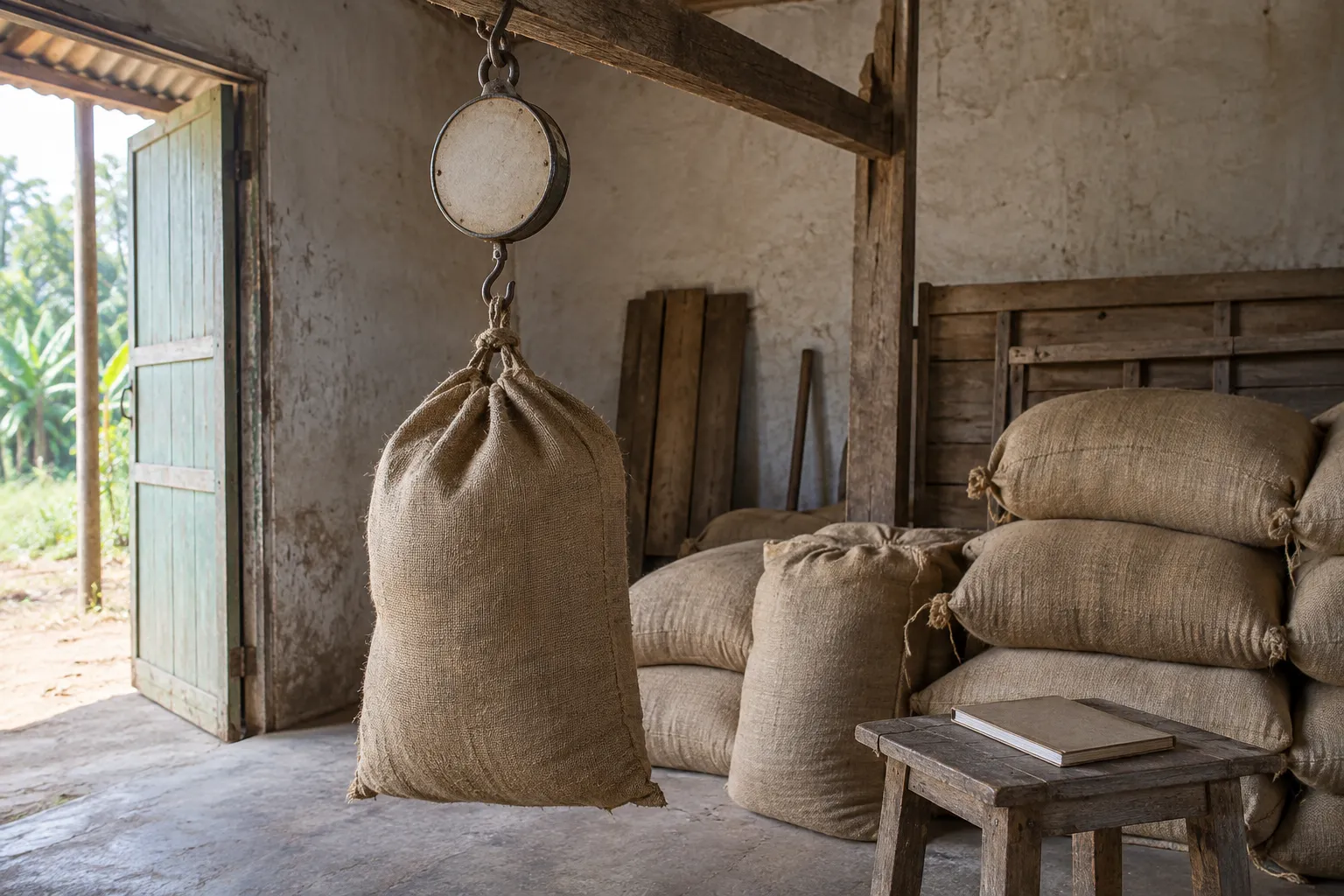
Twice a year a contracted verifier, with no tie to the farm or the brand, reads the pay sheets against the floor and interviews workers chosen from the sheets. The result — pass, shortfall or pending — goes on the ledger with the date and the rate found. A shortfall is paid back before the next visit, or the farm leaves the list.
The premium
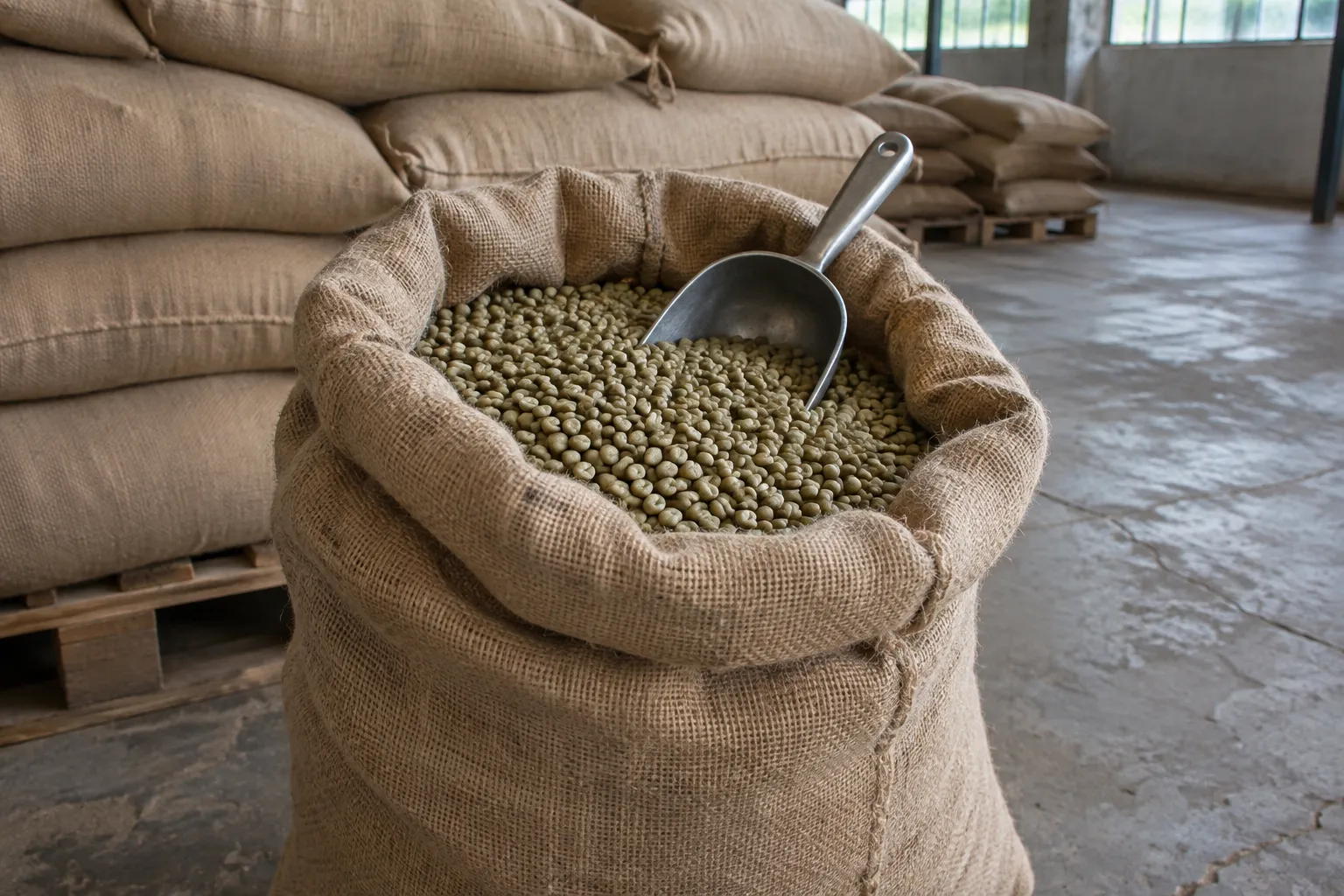
A partner brand adds 8 to 12 cents a pound to what it pays for the crop. Even Harvest holds that money for the farm and pays it out against verified payroll. It is money held for others — not revenue, not a wage the organization pays — and the financials show it that way.
The ledger
Every farm, every visit, published the week it happens. Staff change a paid rate or a visit date and the gap, the bar, the flag, the home cards and the numbers follow. No worker is ever named on it.
What we do not do
No mark to sell. There is no seal, label or certificate. A brand that pays the premium is listed on this site with its status; that is the whole claim.
No wages paid by us. The premium is the brand’s money passed to the farm against verified payroll. Even Harvest is the verifier and the ledger, never the employer.
No real benchmark quoted here. On this demonstration every benchmark is a sample. A real ledger links the published regional benchmark, farm by farm.
No worker named. Interviews are recorded by number; the ledger carries a rate and a date, not a person.